

In many schools, general education and special education still operate in separate worlds, with different teams, meetings, and goals. When these systems stay disconnected, students miss out, and educators feel overwhelmed and unsupported.
A recent edWeb webinar, presented by Brandy Samuell, Director of Product for K–12 Services at eLuma, along with education leaders Mike Leddy and Autumn Francisco, offered a thoughtful and practical look at how school leaders can bring these two sides together.
When Systems Don’t Work Together, Students Lose Out
A rise in behavior issues and special education referrals is often a sign of something deeper: a lack of collaboration. Without a shared approach, students can get conflicting messages, duplicated support, or none at all. That kind of misalignment can delay the help students need and lead to frustration for everyone involved.
Leadership Makes the Difference
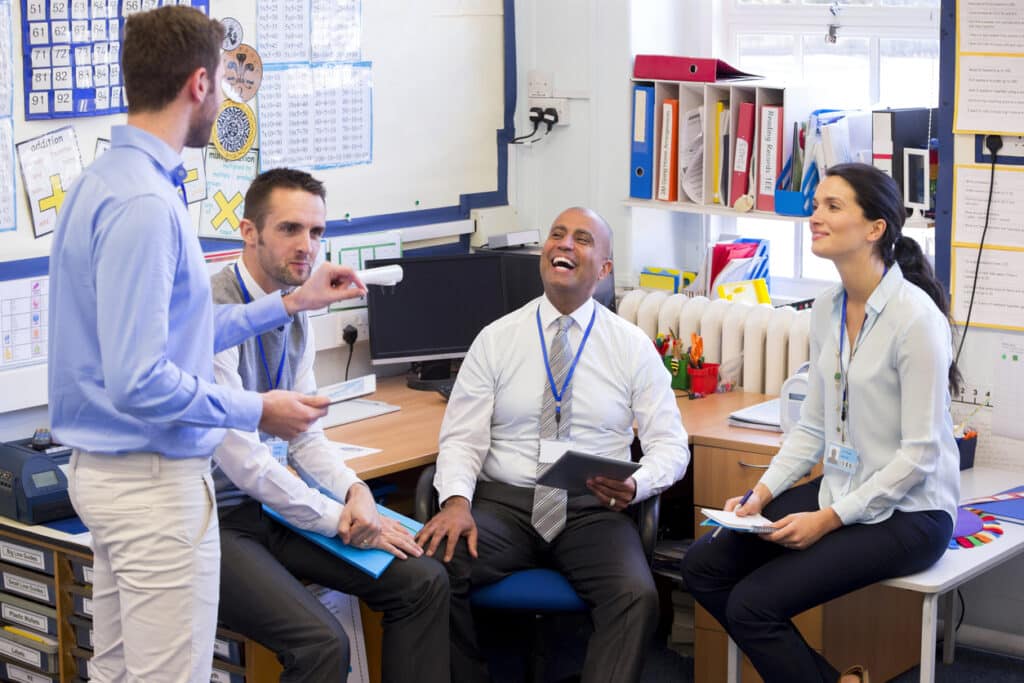
Leadership drives change. School leaders play a critical role in shaping the school culture and expectations around collaboration. That means building a shared vision, making space for co-planning, and showing that general and special education staff are working toward the same goals.The ASCCR Framework: A Roadmap for Real Integration
To help schools move forward, the ASCCR Framework offers a structured approach:
- Align your goals and intervention systems across both departments
- Share data, resources, and insights openly
- Collaborate through co-teaching, planning time, and team-based problem solving
- Communicate regularly and clearly
- Reflect on what’s working and where there’s room to improve
This framework offers clear, manageable steps schools can start using right away.

Co-Teaching Strategies: A Key Piece of the Puzzle
One of the most powerful ways to bridge the gap between general and special education is through co-teaching. When implemented effectively, co-teaching ensures that students with IEPs can receive the support they need within the general education classroom. It also helps reduce disruption and improve outcomes for all learners.
There’s no one-size-fits-all model. From team teaching to station teaching to alternative teaching, co-teaching allows educators to play to their strengths and respond more flexibly to student needs.
“When general and special educators have time to co-plan and reflect together, they can build shared ownership and a system that combines content knowledge with specialized strategies for learning differences.” – Brandy Samuell
Ready to Strengthen Co-Teaching in Your School?
Download our free guide, Co-Teaching to Support Students with Disabilities: Leadership Tactics That Drive Collaboration, for practical strategies school leaders can use to foster collaboration and drive better student outcomes.
A Real-World Example from Manistee County
Manistee County Schools in Michigan put these ideas into action and saw powerful results. By creating a shared approach through MTSS, implementing consistent behavior support, and scheduling co-planning time, including co-teaching opportunities, they saw real gains in student outcomes. Their story shows that students benefit when general and special education teams work together.
Fostering a Culture of Growth
Collaboration thrives in a culture of trust and growth. That means building in time for reflection, supporting ongoing professional development, and celebrating shared wins. When educators work together, students not only learn more, but they also see teamwork and problem-solving in action.
At eLuma, we’re proud to support schools building more connected, inclusive systems. When all educators are on the same team, students get the support they need to thrive.
Looking for more insights like these?
Explore how eLuma’s teletherapy services can help your school bring support systems together and meet the needs of every student.
About the Experts
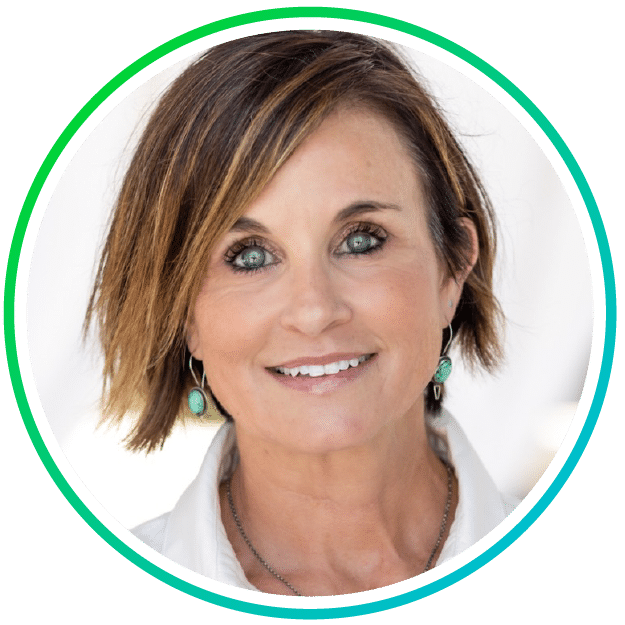
Brandy Samuell M. Ed. is a dedicated educator with over 32 years of experience. She has been involved in all facets of public education from classroom teacher to assistant superintendent. Brandy’s knowledge base spans general education, special education, mental health support, and school turnaround. She has experience working in charter, rural, suburban, urban, and virtual school settings. Brandy currently serves as the Director of Mental Health and Related Services at eLuma.
Brandy earned a Bachelor of Business Administration, Marketing, degree from Texas Tech University in 1989, and a Master of Education, School Counseling, degree from Texas Christian University in 2002. She has completed Post-Master’s work in Educational Diagnostics and Educational Leadership from the University of the Southwest. In addition, Brandy is certified in Critical Incident Stress Management; she has managed multiple school-related crises as well as provided crisis management and crisis response training for school staff and community-based first responders.
While Brandy has a broad scope of knowledge and interests, the majority of her career has been dedicated to supporting the emotional and behavioral needs of students as well as managing, coaching, and developing staff. In her spare time, Brandy enjoys being outdoors, spending time with her animals, and working in her yard.

Mike Leddy began his professional journey in college athletics and outside sales before transitioning into the field of education, where he has built a 13-year career. He started as a special education teacher, spending two years working in an emotional disturbance resource room unit through the Hancock County Educational Service Center and Findlay City Schools. He later shifted into educational leadership, serving as the Athletics Director for Kenton City Schools for three years. Following that role, he returned to Findlay City Schools, where he spent four years as both a Special Education Coordinator and Assistant High School Principal.
For the past four years, Mike has served as the Director of Student Services at Kenton City Schools, where he continues to support students, staff, and families through leadership, program development, and student support services. Mike holds a bachelor’s degree in education (Intervention Specialist, K-12) and a master’s degree in business. He maintains his Intervention Specialist teaching license along with both his Administrative License and Superintendent License. He is married and a proud father of three daughters, ages six, five, and one and a half.

Autumn Francisco is a skilled educator and behavior specialist with a strong background in special education and applied behavior analysis. She earned her bachelor’s degree in special education from Bluffton University and began her career in 2019, teaching in the emotional disturbance resource room at Kenton Elementary School. In 2022, she earned a master’s degree in applied behavior analysis, further deepening her expertise in supporting students with behavioral needs. In 2023, Autumn was selected to serve as the Districtwide Behavior Coach for Kenton City Schools. In this role, she supports staff and students across the district with behavior intervention strategies and programming.
She has completed her supervised fieldwork hours toward her Board Certified Behavior Analyst (BCBA) certification and is currently preparing to sit for the BCBA exam. Autumn’s passion for working with children began in high school when she worked as a home health aide for two young boys with autism. That experience sparked a lifelong commitment to the field of behavior. Outside of her professional life, Autumn is a devoted wife and mother. She and her husband are proud parents to a daughter who will turn two in June.