

What if a critical element to improve student behavior and boost academic success isn’t in the classroom?
Many educators and school administrators face a recurring challenge: behavioral interventions and academic strategies often fall short of their full potential due to a lack of continuity between school and home. While schools provide structured environments and individualized support plans like IEPs and 504s, their success frequently hinges on consistent reinforcement beyond the classroom walls.
This disconnect can lead to:
- Inconsistent implementation of strategies, which undermines progress.
- Frustration among educators and caregivers, who feel unsupported or unsure about their roles.
- Missed opportunities to address underlying issues that affect a student’s ability to thrive.
Bridging this gap doesn’t require overhauling existing systems. The key lies in engaging caregivers as active partners, ensuring alignment between school and home support.
The Transformative Impact of Caregiver Engagement
Caregivers are often the first teachers in a child’s life, shaping attitudes toward learning and school. When caregivers act as school allies, the support system around each student is stronger, and students’ perceptions of the school system are more positive.
Caregivers and educators can work together to form a united front that supports students’ academic, emotional, and social development. According to the Harvard Graduate School of Education, strong family-school partnerships can lead to higher grades, better attendance, and improved behavior in students. This is especially true for students with IEPs or 504 plans, where caregiver collaboration helps ensure compliance and effectiveness of support strategies.
Additionally, consistent caregiver involvement has been linked to increased graduation rates and a more positive school climate, with teachers reporting higher morale and stronger professional satisfaction (U.S. Department of Education).
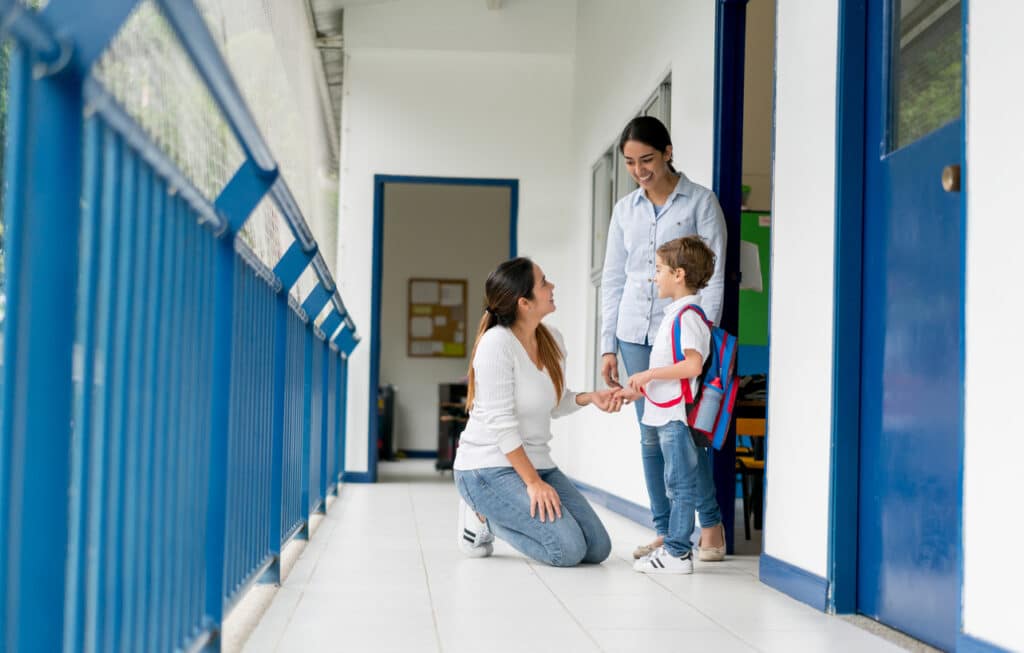
Here’s why engaging caregivers is essential:
- Reinforces the Value of Education
Caregivers set the tone for how students view school. When caregivers actively participate in school activities or maintain open communication with teachers, students are more likely to see education as a priority. This collaboration creates consistency between home and school, emphasizing the importance of learning and fostering a shared commitment to student success. - Addresses Root Causes of Challenges
Many barriers to academic success—poor attendance, behavioral issues, or disengagement—stem from challenges at home. Building relationships with caregivers helps educators understand these issues and work together on solutions, whether it’s connecting families with resources or offering flexible support. This is particularly important for students with IEPs or 504 plans, where caregiver involvement ensures strategies are tailored and consistently applied. - Improves Goal Achievement in IEPs and 504 Plans
For students requiring individualized support, caregiver engagement is critical. Active participation in the special education process helps students achieve their academic and developmental goals. Research shows that collaboration leads to more effective accommodations, modifications, and support (Northeastern University). - Addresses Behavioral and Emotional Challenges
Caregiver-educator collaboration fosters consistency in expectations and strategies across home and school, which is essential for managing behavioral and emotional challenges. This alignment strengthens the effectiveness of interventions like behavior support plans and creates a stable foundation for student success (U.S. Department of Education). - Builds a Stronger School Community
When caregivers feel included, they’re more likely to advocate for the school, contribute to events, and support initiatives. Engaged families create a ripple effect that fosters positivity and collaboration across the school community. By turning caregivers into allies, the school becomes more than a place for education—it transforms into a hub for community and growth.
Building strong caregiver partnerships is essential to bridging the gap between school and home. Engaged caregivers provide the consistent support needed to reinforce behavioral and academic strategies, ensuring students receive the continuity they need to thrive. By turning caregivers into allies, the school becomes more than a place for education—it transforms into a hub for community and growth.
Drawing from insights from seasoned educators Kevin Summers, Licia Hillman, and Brandy Samuell, we’ve outlined strategies to help schools cultivate meaningful caregiver partnerships. These actionable approaches emphasize trust-building, collaboration, and fostering a sense of shared responsibility for student success.
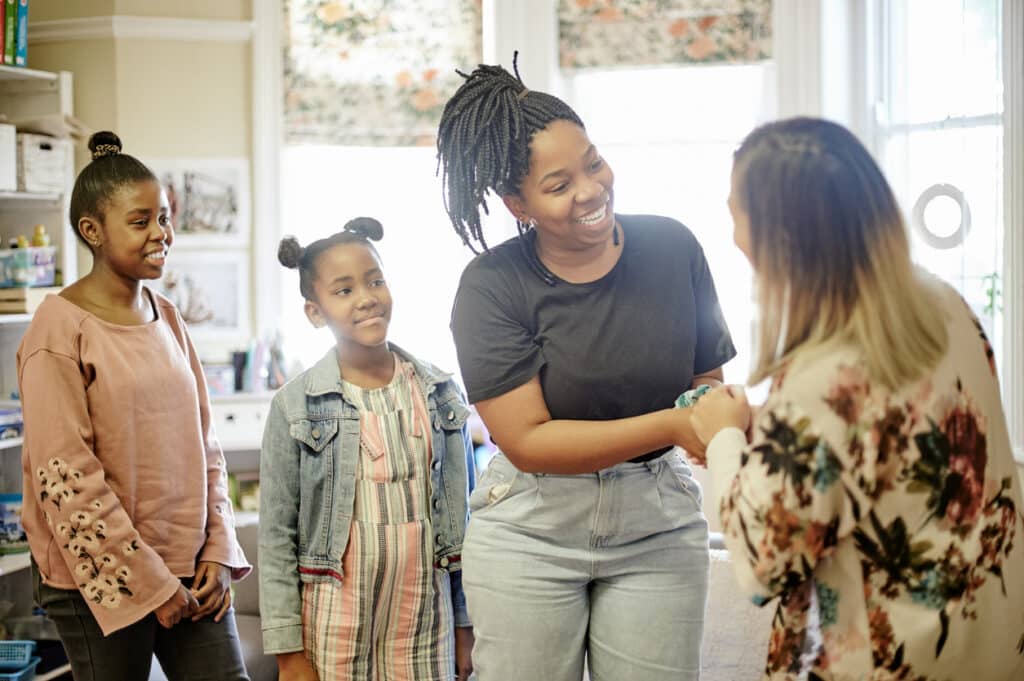
Strategies to Engage Caregivers and Transform Behavior
Build Strong Relationships
Caregiver engagement starts with trust and transparency. Schools can create an inviting environment for families through open communication and inclusive activities:
- Share Positives: Reach out to caregivers with good news, not just concerns. Highlight small victories, like improved attendance or thoughtful behavior, to foster positive connections and build goodwill.
- Host Informal Events: Offer low-pressure opportunities like family game nights or coffee chats with staff. These events encourage caregiver involvement without the intimidation of formal meetings.
- Personalize Outreach: Recognize the challenges families may face, such as work schedules or language barriers, and offer tailored solutions to support their participation.
“Celebrating small successes—whether it’s better attendance, improving grades, or stepping up in a group—helps students and families see progress. Every win counts, and every student deserves to feel valued.” – Licia Hillman
Incentivize Attendance and Engagement
Caregivers play a pivotal role in ensuring consistent attendance and active participation, both of which are crucial for student outcomes. Schools can support and encourage these efforts by:
- Recognizing Caregiver Contributions: Express gratitude through thank-you notes or appreciation events, reinforcing the value of caregiver involvement.
- Collaborating on Solutions: When attendance issues arise, engage caregivers with empathy. Ask how the school can help address barriers instead of assigning blame.
- Highlighting the Impact: Share evidence of how regular attendance and caregiver engagement directly improve grades, behavior, and long-term success.
Redesign Learning Spaces for Connection
A welcoming, collaborative school environment signals to caregivers that their contributions are valued:
- Transform Common Areas: Work with students and families to create inviting spaces, like adding student artwork or creating cozy seating areas in libraries.
- Encourage Family Involvement: Include caregivers in projects that benefit the school community, such as designing bulletin boards or classroom decorations.
“Too many schools look like institutions. They should look like places where kids want to be. Transforming libraries into café-style spaces or letting students decorate with their art makes a big difference.” – Licia Hillman
Empower Caregivers with Tools and Resources
Caregivers are more effective partners when they have access to the resources and support they need:
- Simplify Access to Information: Use digital platforms that allow caregivers to monitor grades, attendance, and updates easily.
- Provide Educational Workshops: Equip families with skills through sessions on managing behavior, understanding IEPs, or supporting learning at home.
- Offer Proactive Support: Share information about community resources, such as after-school programs or transportation assistance, to address challenges before they become obstacles.
“If you notice patterns, like a student always being absent on Wednesday, ask questions. Is their mom at a medical appointment? Does the family need extra support? Sometimes it’s as simple as asking, ‘What’s going on, and how can we help?’” – Brandy Samuell

How Engaging Caregivers Benefits the Entire School
Imagine a school district where caregivers and educators are truly partners. In one elementary school, a teacher reaches out to a parent whose child has been struggling with attendance and behavioral challenges. Rather than framing the conversation around missed days and “bad” behavior, the teacher focuses on the child’s potential and asks how the school can help. This simple act of listening uncovers challenges that have gone unnoticed, allowing the school to help solve the issue and strengthen the caregiver’s trust in the system.
“We have to assume positive intentions. Most parents are doing the best they know how, and understanding their challenges can create a path for partnership.” – Kevin Summers
Administrators host a “Family Night,” including activities like music, games, and a community potluck. Caregivers who might have hesitated to engage in formal meetings show up for a fun evening and find themselves connecting with teachers to learn about resources available to their children. Conversations that begin over shared laughter and activities lead to meaningful partnerships and increased caregiver participation in academic events.
“When we’re able to have these collaborative interactions and work together and not against each other, we’re really able to foster that sense of community, which leads to student success and builds an overall positive school climate and culture.” – Brandy Samuell
Over time, teachers notice that students from engaged families are more focused and willing to ask for help. Their caregivers, empowered with tools to track grades and attendance, step in early to address issues. A culture of mutual accountability grows, where teachers and families feel supported by each other rather than at odds.
As trust deepens, schools see improvements in attendance rates, behavior, and academic achievement. Caregivers become advocates for the district, promoting its strengths and encouraging other families to get involved.
Engaged caregivers contribute far beyond their individual child’s success—they strengthen the entire school community. This alignment creates consistency that drives positive outcomes across the board.
The Long-Term Impact of Caregiver Engagement
Research shows that when schools prioritize caregiver relationships, they create a foundation for sustainable success:
- For students, this means greater self-efficacy, higher grades, and emotional resilience.
- For educators, it results in stronger morale and a sense of professional fulfillment.
- For schools and districts, the outcomes include reduced suspensions, higher graduation rates, and a stronger connection with the broader community.
Ultimately, engaging caregivers transforms schools into thriving ecosystems where students’ academic and emotional needs are met. It ensures that no educator, student, or caregiver faces challenges alone.
“When students feel they’re part of a community, we’re able to promote resilience in those students, build protective factors, and decrease risks. That leads to positive post-secondary outcomes as well.” – Brandy Samuell

How eLuma Can Help Your School Thrive
At eLuma, we understand that building strong partnerships between schools and caregivers is critical to student success. We’re dedicated to supporting educators with tools, resources, and expert solutions to create a culture where students, families, and educators can thrive. From virtual Special Education, mental health, and behavioral support to offering customized professional development that empowers educators to address student needs proactively, eLuma helps schools overcome their biggest challenges. Let us help you transform your school into a place where every student has the support they need to succeed academically and emotionally. Contact us today to explore how eLuma can partner with your district to build brighter futures for your students!
Meet The Experts

Kevin Summers
Kevin Summers is the Superintendent of Bloomfield Schools in New Mexico’s Four Corners region. Previously, he served as Superintendent of Aztec Municipal Schools and held leadership roles in Bloomfield and Roswell districts, including Principal and Director of Curriculum. Kevin has taught in California, Texas, and New Mexico as a former secondary science teacher.
He holds a B.S. in Education from New Mexico State University and an M.Ed. in Educational Administration from Grand Canyon University. Kevin also serves as President-Elect of the New Mexico School Superintendents Association and Secretary of the Cooperative Educational Services executive committee. He and his wife, Heather, have two children, Addison and Ezra.

Licia Hillman
Licia Hillman began her education career as a substitute teacher and later became a 6th-grade math instructor at Berrendo Middle School. Her passion for education led her to administrative roles as Dean of Students and Principal, where she cultivated a positive and academically focused school culture.
Now retired, Licia works as an educational consultant, helping teachers and administrators create successful learning environments.

Brandy Samuell
Brandy Samuell, M.Ed., brings over 32 years of experience in public education, spanning roles from teacher to assistant superintendent. Her expertise includes special education, mental health, and school turnaround, with experience in rural, suburban, urban, charter, and virtual schools.
As eLuma’s Director of Mental Health and Related Services, Brandy supports schools in addressing emotional and behavioral needs. She holds degrees in Business Administration and School Counseling and has completed advanced studies in Educational Diagnostics and Leadership. Brandy is certified in crisis management and has led responses to multiple school-related crises. In her free time, she enjoys spending time outdoors with her animals.