

When Student Support Is Delayed, Everyone Feels It
Most conversations about K-12 staffing shortages begin with hiring challenges.
Open positions, limited candidate pools, and longer timelines all deserve attention. District leaders, however, are dealing with something even more immediate:
What happens to students when support is harder to deliver consistently?
When a role remains unfilled, the effects rarely stay isolated to staffing. Services may take longer to begin. Schedules become harder to maintain. Internal teams take on more than they can sustain. Families begin to feel the uncertainty that comes with less predictable support.
NCES reported that public schools continued to face hiring difficulties for the 2024-25 school year, including in special education, and that many schools also reported understaffing in specialized student support roles.
Only 48% of public schools said they could effectively provide mental health services to all students who need them. In eLuma’s State of Student Mental Health Report, nearly 80% of providers surveyed expressed moderate-to-low confidence in their school mental health support systems.
For school and district leaders, these trends shape daily decisions. Some may only be aware of the surface-level difficulties of filling the role, but the deeper challenge becomes how to keep support moving forward while that role remains open.

Key Takeaways
- Staffing shortages in specialized student support roles disrupt the continuity of services that students rely on.
- District leaders are balancing two pressures: ensuring student support and preventing staff burnout.
- Delays in services can slow student progress, intensify behavior challenges, and limit early intervention.
- Extended vacancies can result in missed IEP minutes, compensatory services, and increased caregiver concern.
- Expanding access to qualified providers helps districts maintain consistent support while strengthening overall staffing capacity.

Students feel the impact first
Timely support matters. To students, staffing shortages are more than vacancies on the district chart. Delays in services can slow or halt progress altogether.
When access to services becomes less consistent, schools have a harder time responding early and helping students stay connected. Counseling may begin later than planned, related services may become harder to schedule consistently, and behavior concerns may intensify before the right intervention is in place.
Without timely support, challenges that could have been addressed early often grow, requiring far more intensive intervention later.
Internal teams carry the strain
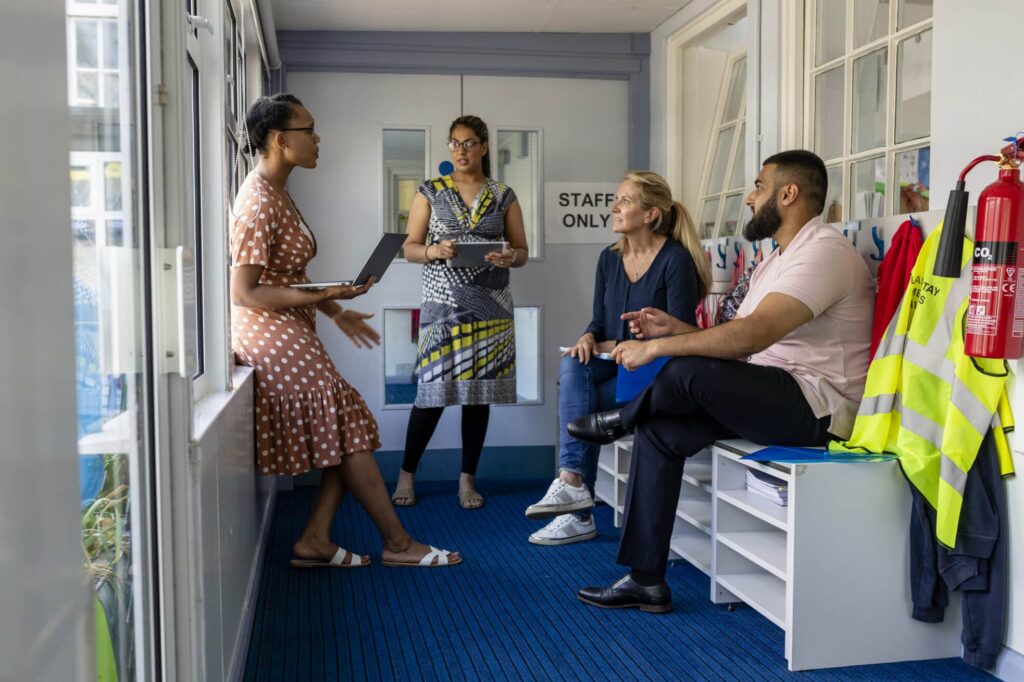
When specialized roles go unfilled, the need for support does not pause, and the work shifts to existing internal teams. Special education and student support teams work harder to maintain documentation, communication, and service consistency across buildings and caseloads.
A single vacancy can create pressure well beyond one role.
This strain affects the quality of the system around the student. Teams have less time for proactive planning, early intervention, and progress monitoring. More time is spent on triage, coordination, and managing the immediate demands of the day.
For school leaders, that kind of pressure can make it harder to maintain continuity across the board.

Caregivers feel the uncertainty
Families may not see the staffing challenge directly, but they feel its effects when support is delayed, inconsistent, or harder to navigate.
They notice when communication becomes more reactive. They notice when services take longer to begin. They notice when support plans seem harder to sustain as the year moves forward.
That uncertainty carries real weight. For caregivers, consistency matters because inconsistency depreciates trust. When formal supports such as counseling or IEP-based services become less predictable, family confidence can start to erode.
Staffing shortages shape how families experience the school’s ability to follow through on student support. For district leaders, that creates another layer of responsibility and scrutiny.

Where service gaps take shape
The longer a district operates without needed support in place, the harder it becomes to maintain consistency. Delayed services, stretched teams, and increased caregiver concern can all build on one another, further straining the system.
Service gaps can compound into missed IEP minutes, compensatory services, compliance risk, staff burnout, and increased caregiver and regulatory scrutiny. Trying to absorb those pressures internally for too long increases risk over time.
This perspective changes the question district leaders need to ask. Alongside hiring, districts also need to prioritize how they will maintain consistent support.
Continuity requires a practical solution
Staffing shortages remain a reality in K–12 education. According to the Learning Policy Institute’s most recent analysis, 31 states and the District of Columbia reported more than 45,000 unfilled teaching positions.
District leaders must protect students, maintain family trust, and prevent staff burnout while working toward long-term staffing stability.
Students need timely support. Families need confidence that services will continue. Teams need reinforcement to remain effective. Districts that address continuity and capacity simultaneously create better conditions for student success, stronger trust with families, and a sustainable system for educators.
District leaders need solutions beyond long-term hiring plans. Expanding access to qualified providers strengthens both continuity and overall capacity.

eLuma prevents service gaps when districts can’t afford to wait
Our high-quality providers work alongside internal teams to maintain service continuity, protect student progress, and reduce staff strain. eLuma strengthens districts’ staffing capacity while ensuring students receive consistent, high-quality support throughout the year.
For districts facing hard-to-staff roles in IEP-based related services, counseling, specialized instruction, and behavior support, that kind of partnership can make the difference between ongoing disruption and sustained continuity.
When districts protect continuity, they create better conditions for student support, stronger confidence among families, and a more sustainable path for the teams doing the work every day.
