


Give new staff, early career staff, and long-term substitutes a trained mentor and built-in professional learning for at least their first two years.
Keep sessions to 30 or 60 minutes, then add coaching, a community of practice, or reflection questions so the learning shows up in classrooms.
Use exit interviews and honest staff conversations to find the root causes of attrition, then build a long-term plan instead of quick fixes.
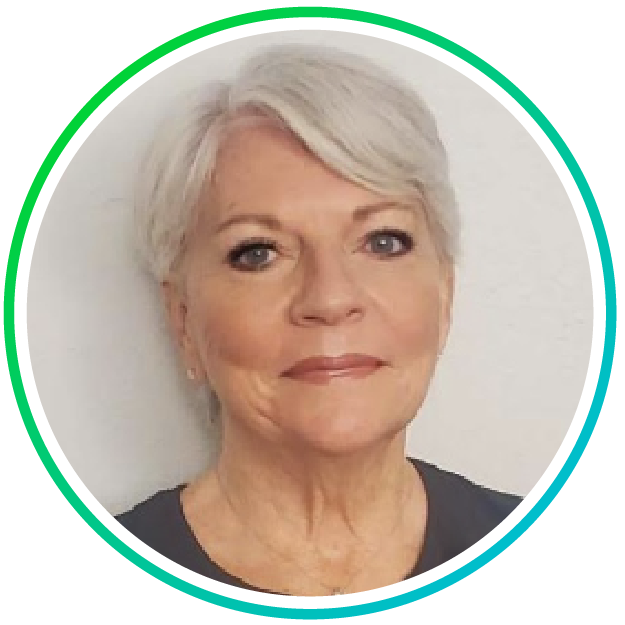
Hello, everyone, and welcome to the next installment of the Illumination Webinar Series. We’re very, very lucky and very privileged today to have a very special guest. Lori Vandenploeg has been so gracious to join us, give us her time, and more than that, her wisdom. And she’s going to be presenting on creating a supportive school environment, five key strategies to sustain and support your Staff. So without any further ado, let’s go to the next slide, and I’ll run you all through the agenda. So let’s give you a little background on who Laurie is. I think there was a slide before that, but maybe it was omitted. I was going to run you all through the agenda before I introduced you to Laurie, but we’re just going to go through a simple introduction and a little preliminary housekeeping, and then we’re going to jump into the webinar. For those of you who have questions along the way, and I’ve seen the presentation, it’s got a lot of information, so I’m guessing a lot of you are going to have a lot of questions, we encourage you to drop them in the chat as you have them. We won’t answer them immediately, but we’ve reserved a 10, 15 minute space at the end of this webinar so Lori can answer your questions.
At any rate, we have Lori here with us, and she’s She’s one of the greatest minds and one of the greatest leaders that we have in special education. She’s served at multiple levels nationally, all the way from working in the school districts as a Sped Director. She’s worked her way up with organizations like CACE and CEC leading the cause there. And then most recently, held the job as Director of Office of Special Education programs. And she’s also the Co-Executive Director of the Council for Exeptional Children. One thing that is worth noting is that Lori is currently working with the State of Michigan, and she is helping enhance the special education workforce, and she’s going to be sharing some of that wisdom that she’s developed through the Optimize program there. You can see some other stuff about her education and background. Feel free to read that. But I do want to take just a moment and say, Lori, to me, embodies what a leader in special education she should be. I’ve had the privilege of getting to know her personally. She’s an incredible person, not just an incredible leader, not just a really smart administrator, but she’s humble, she’s hardworking, and she never acts like she’s above anyone else.
She truly is a service-oriented leader, and I just feel like I had to acknowledge that before we move on. Thank you for coming today, Lori. Can we do the next slide? Okay, here’s our agenda. We ran through that. You can see that there. Next slide, please. I believe, is this the presentation right here?
This is the presentation right here.
Okay. Without any further ado, ladies and gentlemen, Lori Vandenploeg. Yeah.
Thank you. Thank you, George. I appreciate the introduction. It is a privilege to be here with you today. Just as a little bit of a prerequisite, many of the strategies that we’re going to be reviewing today either have a research base to them, the information has been collected collected through surveys, listening sessions with staff, different types of studies that have been done. And so this information are going to be the top five. I added a sixth one in there, you’ll see in a few minutes, to the presentation that I feel that educators are able to implement right now to try and mitigate the impact of the special education shortage within your states or your locals. So I just want to start off with the definition that we use around educator shortage. This is not going to be talking about teacher shortage. This is going to be educator shortage in general. We actually use the US Department of Education’s definition, which is inclusive of everyone who actually touches the lives of individuals with disabilities. That could be teachers, early interventionists, administrators, faculty, paraeducators, all of the above. You can see all of that there. Cec is actually aligned to that definition.
I make reference to the educator shortage. I’m really talking that we have a responsibility of looking at providing support and resources for all of the special education personnel so we can get the desired outcomes that we’re really striving for. I know that we’re going to be talking about retention strategies today, but I would be a little bit remiss if I didn’t just draw to your attention that we’re looking at attracting, preparing, and retaining not only an effective but a diverse workforce for special education. As school personnel, I highly recommend that you look at all three of these buckets and with equal importance. Why today we’re going to be talking about effective strategies to retain your current certified special Ed personnel that you have, it’s also going to be critically important that we look at when we have good retention strategies in place, that can be a positive attraction strategy for you to attract other special education personnel into your local school district or your programming. Then when we look at preparation, preparation is both twofold for me. It’s looking at the pre-service preparation, and it’s also looking at the in-service preparation that we do within our school entities.
Then when you’re looking at this, we want to make sure we’re cognizant of the rural, the urban, and the suburban needs. While there’s like needs, there’s very distinct differences within those needs that we need to take into consideration. Just real quickly, I think it’s important for you to think in regards to what are the short term strategies around retention? What are things that you could be doing right now that could help change the trajectory or mitigate the impact of the shortage within your system? What are some of those midterm? Midterm might mean that we’ve got to pull in different partners that are going to be helping us. We need to gather some additional data. Then long term are really going to be more policy-related issues. That’s going to be around certification within states or other state systemic issues for retention. I’m a strong proponent that says, I to not do bandaids on a system or at least limit them, that it’s very important that we look at how do we change the system. We’re going to talk a little bit more about that coming up as well. I’m going to run through these slides relatively quickly because I really want to get into the retention strategies.
But it is important to let you know that we’ve got roughly around 7.7 million individuals with disabilities that were in our system in ’23, ’24. And that’s up about a 13% from a little earlier. So we have more individuals with disabilities that your staff are going to be required to provide some support. So the retention of those staff is going to be critically important for us. We’ve had an increase in special education identification across the nation and a little bit more post-pandemic, and we’re doing some research around what are the factors that are contributing to that. But one piece I want to highlight, because they are part of our educator shortage issue, is that we’ve got over half a million pair of educators that are serving our disabilities, Children with Disabilities across the nation. They are a critical part of the program support within your buildings that we want to also look at retention strategies around as well. Here’s some additional data. I’m not really going to read through all of these. They’ll be in the PowerPoint slide that you’ll have access to, but it does really help you understand the complexity of the issue as well as the magnitude of the issue.
We do have to be cognizant of that. One of them that I really highlighted is in K-12 education, 39% of the teachers say they feel burned out, either very often or always. When we look at the wellness of our staff, that’s going to be critically important. A lot of the strategies that we’re going to cover today will support the overall wellness. We need to be cognizant of that as well. More than three quarters of the teachers find their jobs extremely stressful on a regular basis. Here’s a little bit more data, but I’m I’m not going to go through those. I’d love you to have an opportunity when you have access to the PowerPoint slide. These are hyperlinks that you can actually read more information around the magnitude of the issue. But you wouldn’t be on this webinar today if you weren’t already experiencing that. Why do people leave? When we’re looking at why we’re having difficulty with retention of our qualified personnel, there’s three different ways that they’re leaving us. One is just through a natural attrition, and that’s they leave the field. They’re either our career changers, We had a huge amount of retirement.
The work stress and the overall dissatisfaction are some of the main reasons that people are actually leaving us, or they’re transferring and going into some of the general education positions, or they’re actually moving into other special Ed positions. There’s a lot of reasons why people are not staying within their current positions, and we’re going to talk about that. Why are they leaving? They’re leaving basically because they don’t have time to assess and design and deliver the specially designed instruction that they’re mostly accountable for. We know that there’s an increase in workload and responsibilities around good inclusive practices and their responsibilities Particularly within co-teaching, around instructional support assessments. Everything that takes place in that general education setting just really amplifies the workload responsibilities. We’ve had changes in responsibilities facilities over the last few years, which with change does come opportunity. So there are some great opportunities for us to do some things a little bit differently, and that’s important to keep in mind as well. With the educator shortage issue, we’re seeing a significant increase in caseloads, and that also means that you have more meeting times, you’ve got more paperwork demands, and we are going to talk about workload caseload in a little bit more detail coming up.
So that we’ll have more information there. But we do know that the larger the caseload, the greater the disadvantage that the educators have in relationship to meeting all of the IEP requirements, and particularly around really good strong core instructional support. Here’s the five plus one that I want to be able to talk to you about as we go through this. We’re going to talk about induction and mentoring. We’re going to talk about the importance of professional learning opportunities, the impact of caseload on our ability to retain our staff, building leaders, and what do we need to do to make sure that we’ve got really strong, inclusive, and instructional leadership in our buildings that are providing support for our special education education personnel, and then elevating the profession. We do have to change the perception of what it means to be a special educator so the special education personnel feel valued and respected for the work that they are trying to provide. I’m on behalf of our individuals with disabilities and their families every single day. Then I added one in there, which is supply and demand. I’ll talk to you a little bit about that toward the end of the presentation.
Let’s talk about induction and mentoring. Research will tell us that this is probably one of the most key factors and introductory factors in helping us to develop a really good sustainable system that’s going to help with the retention of our qualified personnel. When we look at induction, it’s really a system that provides coordinated and aligned supports for new, and it could be early career staff as well, in a pathway toward the profession. Just as a side note on this, when we’re talking about new and early career staff that we would be looking at this induction for. I also want to highlight, and it’ll come up in a PowerPoint slide in a few minutes as well, the importance of the long-term substitutes that you have in your special education programs within your district. So not because of the educator shortage, we don’t have all of the qualified personnel, so we do have a number of substitutes. It’s important that they are participating in this induction process as well. Then mentoring. We know the importance of good coaching and mentoring in order to give the feedback and to provide the resources that are necessary so that we can move from information into implementation in a very strong way.
So that we do know that having strong induction programs, that it’s important that we have well-trained mentors and that we provide a system that’s embedded with professional learning opportunities, and that we’re going to talk a little bit more about that as well. But it’s important that it’s provided minimally over a two-year period. Some of your states may have requirements where they receive support through a mentor for at least a three-year period in their first three years of their work. It’s a little bit depending on your state’s requirements. When we look at induction and mentoring, we want to definitely promote instructional practices, and that’s helping them move from the pre-service to the in-service, particularly around core instruction. It’s very difficult for our staff to be able to design and deliver the specially designed instruction if they don’t have a really strong foundation of the literacy and numeracy curriculum requirements that are going to be necessary. It’s important that we also promote evidence-based or high-leverage instructional practices. I’ll talk to you a little bit more about that as well. But when we look at some of those evidence-based and the high-leverage practices, they’re really very strong principles that need to be implemented by those that are entering the profession.
Again, with the coaching and the mentoring supports embedded in it, we can actually help them get into the strong implementation of those evidence-based practices. But through the positive feedback and the constructive criticism that they receive, we’re really able to help them make some the changes that are going to be necessary. We talked a little bit earlier about the importance of the professional development. I have a whole section on professional development, but I do want to highlight and emphasize the importance of professional development within your induction and mentoring system. It’s going to be important that we look at induction and mentoring for all of the special education personnel. So your early interventionists, your special education teachers, your specialized instructional support personnel. When we refer to special specialized instructional support personnel, we’re really talking about psychologists, speech pathologists, school social workers, OTs, PTs, paraeducators, all of the above there. We want to make sure, again, that we’re giving that targeted feedback, but most importantly, that they have adequate resources to be able to do this. What we’re seeing is a huge trend, and CEC certainly is providing a lot of PD support for our states and some of our locals across the nation, as well as the Cedar Center, which is an OSEP-funded technical assistance center, is doing the professional development around the high leverage practices.
The high leverage practices are divided up into four domains. We have collaboration, we have data-driven planning, we have instruction under behavior and academics, and then we have intensity to intervene as needed for the high needs supports. We have some resources at the end around the high leverage practices that I highly encourage to take advantage of. Here’s a real quick self-assessment that I think is important as leaders within your districts to ask yourself around your induction and mentoring. Do you have mentoring for your special Ed personnel at all? Do you have PD that’s built in for the beginning? Do you have a well-defined role for building leaders? Do you have a well-defined role for the mentors? Do you have a plan to really recruit and prepare retain your special Ed mentors? That’s going to be critically important. We talked a little bit earlier about a high number within retirement. We’ve lost a good % of our veteran staff. So it’s really a little bit more of a challenge within your system to try and identify the special Ed mentors. Recruiting them, preparing them, and then providing support for retention is important. Having guidelines to match your mentor to your mentee, that’s critically important as well, as well as training and then ongoing support, and then having a comprehensive plan of how you can really evaluate the effectiveness of your induction and mentoring.
How is it working? What is the outcome for the mentee? As well as how well are you recruiting and preparing and retaining your mentors as well. Just a few questions that I think are important for you to self-assess to say, where are we in our system? And look toward continuous improvement opportunities there. I hope that you’re asking questions in the chat because I’d love to come back and answer any questions that you have. I’m going to go through the content pretty quickly, and we will have time at the end for some questions. The next one is professional learning. I just read an article where it talked about outcomes for our individuals with disabilities are really not as importantly based on whether or not the instructor has the qualifications or the certification. It’s more around, have they been provided this professional learning opportunities? That’s why it’s important that we look at how do we continue to provide professional learning on an ongoing basis. That would be for all levels of our special personnel inclusive of those long-term substitutes that we’re trying to develop more of the knowledge, skills, and abilities to be effective instructors within the program.
When we look at what are some of the characteristics of good professional learning opportunities that I think it’s important for us to take into consideration is that we need to be very content-focused. You heard me say a little bit at the early part of it, the core content around the literacy and numeracy and making sure that our special Ed personnel really have a deep understanding of that tier one core instruction so that they can be effective in a co-taught class or they can be effective in designing and delivering the specially designed instruction. They can scaffold the curriculum based on the diverse level of needs of the individuals that they’re currently servicing. Making sure that we’re incorporating active learning opportunities. So what are we doing from an engagement perspective to really engage them in the learning process so that we have a higher probability of implementation post that? Support collaboration is extremely critical. So how are we making sure that we have collaborative opportunities between general Ed and special education when we’re looking at delivering designing and delivering our special Ed opportunities? Making sure, again, it’s got the effective practices. You’re going to hear me be a little bit redundant, but I think we all know that if you hear something about seven times, it’ll stick.
Then providing the coaching and expert support as well is critically important. Feedback and reflection, and then be a sustained duration. This is going to be important. I know that time is our most limited resource that we have in our educational system and being able to have access to special Ed personnel to provide the professional learning opportunities is extremely challenging. But this is something that I highly recommend that you prioritize in making sure that we’re very targeted and intentional with our professional learning. Whether or not we’re looking at something that’s asynchronous, how are we providing them time to be able to watch that, but then do a community of practice or some a follow-up coaching and mentoring, again, to ensure some implementation and understanding of of that content that was actually learned. Syncronize is a little bit easier because there is a little bit of in-person, or not in-person, but at least face-to-face opportunity with the instructor and then in-person. But follow-up is the only way that we’re going to be able to help them move from information into implementation. What we’re finding when we’re doing some studies across the nation, what is going to be some of the high areas of need for our staff when we’re looking at professional development opportunities or professional learning opportunities.
I mentioned about the Tier 1 instruction piece of it. Today, we also know that one of the highest areas that are impacting our retention is the high behavioral needs and the mental health needs or the school behavioral health needs, the trauma that our individuals with disabilities are currently experiencing. And all of that take a toll on the teachers and the teachers’ well-being as well. So how are we providing some good, strong professional learning opportunities to be able to put the right tools in the toolkit of our educators so that they’re better equipped to be able to address these needs, but then they also can be taking care of themselves as well. Some professional development around data collection, progress monitoring, especially design instruction, high leverage practices, and then certainly cultural responsive practices. And again, you’re going to see me talk about the substitutes. How are we pulling those long term substitutes into our professional learning opportunities to give them the same opportunity to access the good quality content that is provided. We have some resources at the end around professional learning and where you can access some of those asynchronous or synchronous modules tools that can really help in the development of this, and happy to talk about it when we have some Q&A as well.
So I talked a minute ago about how we can deliver some of this, but what I really want to emphasize is the importance of the follow-through or the follow-up. So we can’t just put webinars or online learning opportunities in front of our staff or our educators, particularly if they don’t have some of the prerequisites to be able to it and then assume that they’re going to be able to move into implementation. What additional supports as leaders are you putting into place that can provide the technical assistance, additional resources that might be needed, again, going back to that coaching and mentoring, because we want to really develop a strong, sustainable system over time. I always use the term no spray and praise. We can’t just spray information out to our educators and then pray they do something with it. Without ensuring that they have the right resources and support in place to make it happen. Workload caseload. This is huge. We’re working on this at CEC right now. We’ve done some national research and search around this. Very limited information out there that’s actually giving some guidance. But this is probably one of the top issues next to some of the behavioral challenges that we’re hearing from special educators today as to why they are actually leaving their current positions.
We break it down into workload. That’s the direct and indirect services that they’re actually providing. What is on their plate that they have to be They have to be delivering. A lot of it could be around just the instructional piece. It could be the behavior, it could be the IEP development, it could be Medicaid reporting, it could be data collection, it could be reporting to parents, it could be facilitating IEP team meetings. I mean, this workload is huge. I have a list coming up on another slide. And then caseload actually gets into the number of individuals with disabilities that they are accountable, either as a teacher or provider, to provide that specially designed instruction, too. So we’ve got to look at, particularly with the educator shortage issue, having less qualified personnel means that we’re overloading with workload and caseload accountability, the current the qualified personnel we have because we are required to provide FAP, free, appropriate public education. We’ve got to ensure that the IEP programs and services are being delivered as written. With the shortage of personnel, the unfortunate or the and the consequence is it’s putting a higher caseload on our teachers and our providers, and with a higher caseload comes a higher workload.
I highly encourage you to look at what you’re doing within your system around balancing We know that high caseloads certainly limit opportunities for service delivery options or collaboration with other professionals. It definitely contributes to stress and burnout, and it provides a limited amount of time. When we have special Ed providers that are spending a tremendous amount of time on workload accountability, it gives less time for them to actually be able to design and really deliver good quality instruction, which is leading to some of our low performance and our outcomes for our individuals across the nation. We’ve got to take that into consideration as well. Let’s go through this list of what could be included in more of that workload. I gave some examples a minute ago. Direct instruction, just your planning time, some of the modifications, adaptations, accommodations to the curriculum, directing the work of the paraeducators. I don’t think we take into consideration how time it takes for special education teachers that have paraeducators assigned to their program to really make sure to do the supervision, but also provide them with the resources in the direction of how to provide the support for the paraeducators that are servicing students within their programming.
Planning with the specialized instructional support personnel, just the whole coordination of services, parent communication, IEP management, annual reviews, progress management, behavior intervention, all the above. When we were doing our national search around this, we didn’t find but just a couple of states that actually had any guidance out for their states around how to look at calculating the workload versus caseload responsibilities when they’re doing assignments. So two websites, ASHA, which is the American Association of Speech and Hearing, and then AOTA is the Occupational Therapy Association. On their websites, they actually have workload caseload calculators or some policy around how you start tracking what is your accountability from a workload perspective? And then how does that play into the amount of time that you actually have to be accountable for all of that? And is there enough time? So why we say the best case scenario is going through these calculators is that we say we need additional staff to reduce the amount of workload or reduce the caseload. The reality is, with the shortage, we don’t necessarily have those. But I think when you’re looking at special ed personnel really feeling valued and supported by their administration, it’s that the administration are cognizant, minimally, of what is the workload and the impact of that workload, not only on results for individuals with disabilities, but the well-being of staff in general.
So I take a look at those and have some conversation around We have a work group in Michigan. I’m doing the consulting there on that. And we’re actually going to be looking at putting out a recommendation from a statewide perspective as to how we do a better job with a calculation of that when we’re doing assignments and when we’re doing hiring of our special education personnel. Building leaders, both looking at it from an inclusive as well as the instructional leadership piece. This is another thing. When we have done a number of surveys, NEA did a survey, some of the states have done some surveys around the satisfaction surveys, per se, of special education personnel Now, certainly, I mentioned a minute ago, behavior rises to the top, workload, caseload, paperwork somewhat rises to the top. But what also rises to the top, and it’s within our top five areas of concern that staff are articulating, is that they feel that they need a little bit more support from building leaders. How are we providing the building leaders support so that they can create that positive climate culture, that it is an inclusive environment, or that they’re good, strong instructional leaders within the program to provide instructional support and resources for our special education personnel as well.
Let’s talk a little bit about what this means. We know that the research will show, the studies will show, the surveys will show that staff are more likely to stay when they feel that they have support or are valued and respected for the work that they’re doing from their administration. We did go through and look at a couple of different dissertations around research, around the retention and the educator shortage in the impact of some of this. And what was interesting is one dissertation said, Why are people staying within their current positions? And one of the top reasons was because they felt supported by their administration. And then another dissertation that looked at why were people leaving and why were their retention rates being affected or their attrition rates so high. And it was because they didn’t feel that they had administrative support. So we know that having Having administrative support does contribute to our ability to retain our currently qualified personnel. One other piece that’s come up, and I think this is another piece that we need to be conscious of, is that clear job responsibilities that many special educators reported that they feel that there’s role ambiguity.
They really don’t understand what the expectations are, what their roles and responsibilities are, whether that’s within co-taught classroom, whether that’s in an inclusive environment or a categorical or cross-categorical program or an early intervention, even within the home. So just role ambiguity, it seems to be a real concern. And I think that’s something that’s one of those short term strategies that we can put in place. And it’s really helping special Ed staff understand what the expectations are, what their role and responsibility is, and then making sure that they have the right supports in place to be able to deliver all of that. They also have reported to us that when they are encouraged and there’s a positive and a collaborative school climate, they feel that they’re more inclined to stay because they, again, feel valued and supported by their administration. Access to quality curriculum, combined with the great PD that supports them with the delivery of effective instruction is another important piece. When we look at the positive climate and culture, that’s really more of the inclusive leadership. When we look at providing them great curricular opportunities and the resources and the PD for the delivery of instruction, that really takes us into the importance of the instructional leadership aspect of it as well.
When we pulled and surveyed many of the special education staff across the nation, and we’ve looked at what some of the research has told us, this is what they’re telling us that they need. They need more time. They need time to really develop and nurture strong relationships. The relationships can be with families, it can be with administration, it can be with their peer teachers, it can be with a specialized instructional support personnel, but they feel like they’re working in isolation or in silos quite often. Having Having time to really develop and nurture those relationships gave them a better sense of community, a better sense of value and recognition, and that definitely contributes to a higher level of retention. Structured collaboration. This is something that comes up quite often. I’ve done a lot of trainings around co-teaching, and where teachers will report that they don’t have planning time to be able to co-plan. And co-plan can be around the delivery of instruction, but it could be co-planning around addressing the behavioral challenges within the classroom. It could be co-planning around parent communication. But they feel that they just don’t have time to do that. So again, not having the time to do that level of collaboration and planning is also what contributes to the role ambiguity because people are working more in isolation.
They need more time to design and deliver the programs and services in their IEP. Because the workload is extensive, the behavioral challenges are extensive, they feel like they are underperforming because of the limited time flexibility that they have in really looking at delivering really good, strong core instruction, as well as any of the supplemental services that are necessary for them. They need time to really do progress monitoring. We know that in order to design and deliver good quality instruction or specially designed instruction, that there’s a data collection piece to that. That’s the assessment piece or the progress monitoring piece at the beginning. Then they need time for attending the professional development. I mentioned a minute ago, the time being one of our most limited resources, and I am very sensitive to that. Particularly time to attend professional development opportunities is very challenging. One reason It’s challenging because, and people say to me all the time with the PD that we try to roll out here at CEC as well, they said, Lori, we don’t have substitutes for the subs that you would like us to train. We don’t have substitutes for the teachers or the paraeducators.
That need to develop the professional development. So not only is it time, but it’s also having the support personnel available to replace them so that they do have time to attend great quality professional development as well. So when we asked special education personnel in regards to really building leadership or administrative leadership, what they want. So one was, what do they need? And this is really what they want. They want administrators who understand the complexity of special education, who really understand the legal requirements, understand what all of the acronyms are, understand the importance of IEP participation, understand all of the disciplinary procedures that need to be in place. Having administrators who really understand the legal parameters in which special educators are accountable to work every day is really important. Again, they want administrators who can provide the necessary resources. Resources are time, people, and money, but it’s also deliverables as well. They’re also asking that they have administrators who can provide very clear and ongoing communication. That open transparency of communication where they feel that they can go to a building administrator, talk about their challenges that they’re having, solicit some advice or some support is critically important.
Again, administrators who can provide that collaborative environment, which is very important. Then you’ve heard me say many times, one of the main reasons people are leaving the field, again, is they don’t feel valued or recognized or are necessarily given a voice. I was just on a call with one of the lead parent advocacy organizations today where they were talking about parents really feeling they need to have a voice be heard. But our special personnel, our special educators, also feel that it’s important that they can speak honestly and openly and that voice is heard. So let’s move on to the Elevate the Profession. This is critically important. This is one of my top initiatives, and this is probably our biggest initiative that we’re working on in Michigan around the educator shortage and certainly around attracting into the profession, but also the retention aspect of it as well. But it’s for us to be able to not only attract into the workforce pipeline, but to retain the the qualified pipeline that we have or personnel that we have, we have to nationally change the perception of what it means to be a special educator. We have to show the value of being a special educator and celebrate the successes of those.
Let’s talk a little bit about what this means. We do have to change that public opinion because a lot of that public opinion is associated with low salaries, poor working conditions, lack of respect, some professional autonomy, and then society’s negative view. And that’s a challenge that we’re experiencing with the negative media coverage. Certainly coming off the pandemic, and I try not to refer back to that very often, but the negative media coverage that surrounded us from an education perspective, and particularly special education, that we weren’t delivering faith. We weren’t providing the services to meet the unique and individual needs of our special education community during pandemic and even coming off post-pandemic. You’ll see articles that talk about the educator shortage, why people are leaving. We talk about there’s federal information that comes out. It’s what’s happening within the state. Sometimes the safety issues within the school from a media coverage is certainly affecting that. So we’ve got to figure out how do we combat or challenge the negative media coverage that’s out there. So when news reporters call me and ask me to talk about the educator shortage issue, I tell them that I’m not going to talk about all of the negative pieces and the potential implication.
I’m going to talk about where we have exemplar models and what are the practices and the strategies that are working that are helping us get the results that we need. So we as educators also need to make sure that we’re talking about our profession in a very high, positive way and not getting down into the weeds of what isn’t working well. How do we do some of that? I think there’s a number of ways that we can do it. We can share success stories around our special education personnel and the impact they’re having in the community. Then we can also look at ways within your districts or your systems to recognize staff, either through some local media articles of some great things that they’re doing, projects that they’re working on, great results that they’re getting, highlighting them in district newsletters, being recognized at school board meetings, at staff meetings, on district websites, and then a social media campaign. I put a hyperlink in here. This is Optimize. Education, and George brought up a little bit about it at the beginning, the work that I’m doing in Michigan. And Optimize stands for opening the pipeline of talent into Michigan’s special education.
And we have created a website, but we have a very large social media presence. And so we’ve done over 150 short video storytelling that are just little recordings that we have blasted out through social media. And it could be on Facebook TikTok, Instagram, LinkedIn. We have paid Google Ads and Snapchat. Believe it or not, I said, Well, Snapchat, that’s like I have 13 and 16-year-old granddaughters that are on Snapchat. What is that doing? But it’s really getting after the high school students and helping them to recognize the work that’s done. When we’re talking about sharing success stories, it’s sharing success stories with all of our special education personnel. How are we highlighting special education teachers? How are we highlighting paraeducators, speech pathologist, social worker, school psychologist, all of our specialized instructional support personnel, as well as administration? Then we’re taking it one step further where we’re actually doing success stories around our higher education. So students that are in pre-service programs at universities in preparation, why they’re going into special education. So we’re trying really hard to push those success stories out within social media that are really just helping to draw really positive attention toward all of the different positions within special education that they could actually consider as areas of profession.
We’re doing a lot around changing the perception, as I mentioned a minute ago, with our high school students. So offering dual enrollment opportunities and offering peer-to-peer opportunities where there’s information around grow your own dollars or apprenticeship dollars or scholarship and funding opportunities for them. So really elevating the profession and changing the perception. What we’re seeing and what we’re currently experiencing in Michigan, and this is happening in other states as well, is where people are seeing all of this coming out and this positive recognition of special education. The current special personnel are feeling very respected respected, very valued, and very appreciated for their specialty that they’re actually providing and the supports that they’re providing to the individuals with disabilities and their families. That is a very strong retention strategy as well. I just challenge you a little bit to think back as to what are you doing within your systems to celebrate the successes of what your special education personnel are able to do, and how can they be publicly recognized for the the work. We all love a little pat on the back. We’d love to hear some positive recognition for the hard work that we’re doing.
But taking it one step further with some of these other recognitions that I talked about with the newsletters or school board meetings, it goes a long way. The return on investment for the time it takes administratively to facilitate those opportunities of the recognition will only increase your opportunity to retain the current personnel that you have. Here’s my number 6, supply and demand data. This is where we’re extremely challenged, and I think that you’re probably a little bit challenged with this as well in your system, and particularly when we’re looking at our our nutrition rates and our retention and why we’re losing some of our special education personnel. We do not have a good national system of collecting data around supply and demand. When we look at what data is really being reported to OSEP or the US Department of Education or even to your state departments of education. It’s data around how many qualified people you have. The data that we provide to OCR or to OSEP is almost by FTE. It doesn’t tell us anything. But what we don’t have is we don’t really have information around what is the demand that we have.
Where do we have the openings? Where are we having the greatest deficit in relationship to a qualified special education personnel? You can’t really design a good system if you don’t have the data to say, This is what we need, and this is the supply that we have to meet that need, and this is the supply that we’re missing a little bit. I put in here a link to a K-12 dive news article. It’s around a proposed Senate bill that’s out there right now on a teacher shortage data at the federal level, that if this were to ever to materialize that State Departments of Education, in collaboration with locals, would be able to apply for a grant to be able to develop a good data system. But I highly recommend that you go back Let me see if it’s in there. It’s not. Oh, it is in the next one. That you actually look at some of the data that will tell you why people are leaving your system. Let’s run through the summary, then the last bullet I’ll come back to around the data piece of But just in summary, before we move into an opportunity for some Q&A, I think it’s important that we continue to assist the districts and their leaders in developing very supportive working environments that attend to issues of workload manageability, collaboration among the general and special Ed teachers, effective curriculum, combined with great professional development and administrative support.
It goes back to the top five areas I talked about a little bit earlier today. But again, re-highlighting the importance of really offering that professional learning opportunity that really engage our general and special Ed teachers, collaboratively designing, delivering and reassessing the impact of really good, strong core instructions, the only way we’re going to get the results that we need. But my other challenge to you is to look at what is the data that you’re collecting on What are some of the root causes of your attrition? Why are people leaving? So whether or not there’s the opportunities to do some exit interview or to talk to them personally, or maybe you already know some of that. What are those working conditions that are potentially impacting either staff well-being or staff’s interest in staying within the profession? And then how do you design and develop a comprehensive long-term plan to respond to some of those causes? So it’s that cause and effect. If we don’t really spend time understanding why people are leaving, why our retention rates are dropping, then it’s going to be difficult for us to look at how are we making good changes to our system.
This goes back again to developing a good comprehensive plan, not putting some bandaids on our system or mending some of our processes and procedures. But our long-term goal is to how Why do we develop a very strong, sustainable system that’s going to provide the supports that are necessary, that over time, we are going to be able to effectively attract and prepare and retain not only an effective but a diverse special education workforce that will help us not only meet but exceed outcomes for our individuals with disabilities and their families across the nation. I think it’s It’s important that we take a look at all of these. Real quickly, got about one minute, and then I want to stop for questions. Osep did a study on the educator shortage, and these are some issue briefs that we put out around retention strategies. Many of them are what I talked about before: induction and mentoring, professional development, professional leadership, teacher empowerment, workplace environment. Nothing different than what I talked about, but it gets into a little bit more explicit information. Then there’s another one on changing the public perception. Some of the free resources through CEC that I think are going to be critically important for you is building leaders as all is, I highly encourage you to go to CEC’s website, exceptionalchildren.
Org. We have a number of free resources that are available. We have a webinar series on the high leverage practices for paraeducators. We have educator competencies. We have an evaluation toolkit for building leaders to be able to evaluate the paraeducators around those competencies that really provide an opportunity for continued professional learning and good coaching and mentoring and all of the above. We actually have a learning library that has well over 250 resources. There are lots of webinars in there, asynchronous webinars that are in there that you would be able to provide for your staff or US administrators or building leaders to have access to to continue to develop the knowledge, skills, and abilities that are necessary. This year, we put out 12 free webinars for CEC members. We have a lot of resources available there as well. Then we actually have the second bullet, high leverage practices. They’re leader guides for building leaders around the high leverage practices and how to provide supports for staff. Before we end, I want to be able to answer any questions that you have, and then I’ll have a couple of closing remarks as well. George, I’m going to turn it back over to you to see if we have any burning questions in the chat or if somebody would like to come on.
We do have a couple of questions. We invite you to ask them, but I have a couple of questions I’d like to start with.
Perfect.
One of them is… Let me put my video on.
One of them is, why do I talk so fast?
Well, we had to get all that information in. Yeah, my first question, you started off the presentation, you’re talking about the ratio of paraeducators and how they outnumber teachers. Correct. And it’s my understanding that a lot of these paraeducators are working not for salaries, but are working for low-level wages. Correct. I’ve heard as low as $9 an hour. I hear $12, $14, $15 an hour a lot of times. And yet a lot of these people are very intrinsically motivated and want to be engaged, want to be involved. Correct. So my first question is this, Why can we not create a pathway for a paraeducator to become a teacher?
We have a number of those across the nation, George, and they’re called the Grow Your Own programs. So there’s been a lot of… It’s a big federal push, but it’s also a national push. And Michigan, in particular, has allocated millions of dollars. And what they’re doing is they’re encouraging either current paraeducators or people to take paraeducator positions, and then they’re taking them through the special education certification program. So it is developing that pipeline of taking paraeducators that have already exhibited the empathy and the knowledge and the willingness to work with our individuals with disabilities, but then help them go through a career pathway that actually could lead to certification. The caveat to that is, as we’re pulling paraeducators into the pipeline for teachers, we’ve got to also make sure that we’re replacing that pipeline of paraeducators, or we’re going to have a bigger deficit in paraeducators. But we’re doing a lot around trying to encourage paraeducators to consider special education certification.
Yeah. It just seems to me, and maybe this is me wearing my MBA hat, not an educator by trade, but it seems like in a lot of this, we have some problems with incentives.
Compensation is big. Like you said, you can go to McDonald’s and make $3 more an hour than what you could as a pair of educators. So compensation for pair of educators, professional development to raise their knowledge, skills, and abilities, which then could lead to a higher compensation because they’ve got a deeper skill set. But yes, we absolutely have to look at the paraeducator aspect of it for sure.
I know that higher education plays a role in all of this, too. I’ve talked to, as you know, we work with a lot of speech language pathologists. We work with a lot of related service providers. One of the things that I hear over and over again is that for a lot of these individuals, they have to go into a six-figure debt just to qualify for being able to provide services. And in many cases, there’s six figures in debt, and then they’re starting salaries at 38 or $40,000 or $50,000 a year. You can’t even begin to pay off the debt. It seems to me like we treat our military service providers in a way we treat them with reverence. I wish we could look at our special educators much in the same light. These are public servants that are performing a public good, and it just It seems to me like universities should be playing a role in this. But also, maybe there are ways that we can lower the bar. And I’ve heard it discussed with some universities that they’re looking at models instead of requiring high-level degrees that you have stepped degrees in micro-certifications.
It seems like for special Ed, it would be a paraeducator gets this certification, this certification, and then they get a bump in their wage, and they can climb the ladder to the point where they get to a place where, again, they can be served. It seems like there’s a big pool there. But the path going through a university, getting a master’s degree, that most certainly can be very daunting.
Yes.
I also loved what you had to say about recognition. I’m a little bit familiar with some of the data around attrition, and we’re seeing the numbers, especially with Gen Z. They have a very low tolerance for low morale, poor work-life balance, poor compensation. And so a lot of them, they’re jumping. It used to be that you would say 50 % within five years would quit, but now I’ve seen as low or as high as 46 % quit within three years now. Correct. And so it’s terrifying. One of the things we can be doing is also creating a better work-life for a lot of these players, making sure that there’s recognition because the people that do go into special Ed are intrinsically motivated. They’re not doing it for the money or the fame or the fortune, but we got to throw them a freaking bone.
Totally agree.
We do have a question from Jason Wright. He asked, When offering professional learning, he said, Is there a recommendation or is there research for how much should be self-directed or how much should be assigned by supervisor?
It’s a great question. I’m going to answer in a couple of different ways. What we’re finding through all the professional development that we are currently rolling out, we try to just do a 30-minute or 60-minute segment and don’t do anything longer than that. Because it’s just very difficult for them to retain attention for content that is longer than that. Then we’re also looking at how do we build in opportunities for assessment so that they can go back and self-reflect with the content. That’s where administrators can fit into that as well. When you’re looking at professional development, if you do access some asynchronous modules, then what are the types of questions that you could pose to staff afterwards, either in a community of practice or for them to respond to in a meeting or even individually that can help a little bit more with not only the accountability of the content, but it helps them be a little bit more reflective, and it helps them move into implementation. A couple of ways I’d answer the question is make sure that there’s small segments of learning opportunities with supports and interaction, but there’s also opportunities for some assessment of the content that they learned, which increases, like I said a minute ago, an opportunity for implementation.
I don’t know. Jason, did I answer your question?
If he’s still there, Jason. Self-assigned question mark.
There you go. All right.
I know we’re running out of time. I do have one last question for you. I want to understand why we don’t see more national and state-level benchmarking with regards to workload and caseload. It seems to me like that could be very useful data.
It’s a great question. As I brought up in one of the slides and gave hyperlinks to, we just have the two associations, Asha and AOTA, for speech and occupational therapists that have actually concentrated on putting any guidance out there. I’m not sure why states aren’t. We’re trying to, and that’s why it’s in one of my top five, because it comes up everywhere I go, that the workload caseload is an issue of concern. I do think that we have to spend more time looking at what is the data that we’re collecting around not only the workload accountability, but the activities of the time that it’s taking, and then weighing that out in relationship to whether or not they’re really able to fulfill all of the required obligations that they have to deliver faith. Because what happens is, and you just brought up about the workload, baseload, George. What happens is when the workload gets so high, it does start impeding into your personal time because you don’t have time during the workday to get it all done. So it does hamper personal time as well. But I think it’s something that CEC taking a look at.
Michigan, as I mentioned a minute ago, we have a huge project around that. We’re hoping to come out with some state guidance to deliver a little bit more uniformity. But when you look at workload caseloads, this is where we have the most inequity in our assignments of our special ed personnel. So it can’t be based on number, it can’t be based on caseload. It has to be based on what is the workload and the severity of the workload in relationship to what you’re able to do. Quick example. You could have a caseload of, let’s say, 10 students with autism, and they be very high-intensive needs. Or you could have a caseload of 15 students with autism that have less need. So you could have a higher number on a caseload because you have less intensity of need and support and time to provide that. But we’re not… And the same thing, another quick example, then I’ll stop, is with social work. When you have a social worker that’s providing support for students with significant behavioral challenges, Their caseload with crisis intervention and behavior plans is going to be significantly higher than someone who is doing a 30 minutes service provision once a month.
So we do need to take a look at that. But I’m going to stop there. And I just want to say on behalf of ALUMA, thank you for an opportunity to be able to share information with you today, but also on behalf of myself and CEC. Thank you for what you’re doing every single day out there to support our individuals with disabilities, as well as our special educators who are trying very hard every single day to increase results and outcomes. They’re working hard and they deserve recognition. It takes a team effort. Let’s be a good comprehensive team, celebrate our success, and recognize the people who are working hard every day. Thank you again.
Thank you, Lori. Thank you all for attending. And thank you, like Lori, I want to echo what she just said. Thank you to all of our special educators. As a parent of a child who has gone through the ranks of special education, we are deeply indebted, and you don’t get enough thanks, you don’t get enough recognition.
Laurie VanderPloeg points to five: induction and mentoring, ongoing professional learning, manageable workload and caseload, supportive building leadership, and raising the profile of the profession. She adds a sixth, better supply and demand data. Research she cites shows staff are more likely to stay when they feel supported and valued by administrators, and more likely to leave when they don’t.
Caseload is the number of students a teacher or provider serves, while workload is everything that job requires. Workload covers instruction, planning, IEP meetings, progress monitoring, behavior plans, parent communication, Medicaid reporting, and directing paraeducators. ASHA and AOTA offer workload calculators, and VanderPloeg recommends assigning staff by the intensity of student need, not the headcount alone.
At least two years, and some states require three. VanderPloeg recommends trained mentors, professional learning built into the program, clear roles for mentors and building leaders, and guidelines for matching mentors to mentees. Long-term substitutes should take part too, since many districts rely on them while certified positions stay open.


